
Pickleball Court Dimensions: The Complete Breakdown
Every measurement you need to know—from the kitchen zone to the baseline. Perfect for building your own court or understanding the game better.
Coach Mike Chen
Published 2026-01-08
📖 In This Article
Every measurement you need to know—from the kitchen zone to the baseline. Perfect for building your own court or understanding the game better.
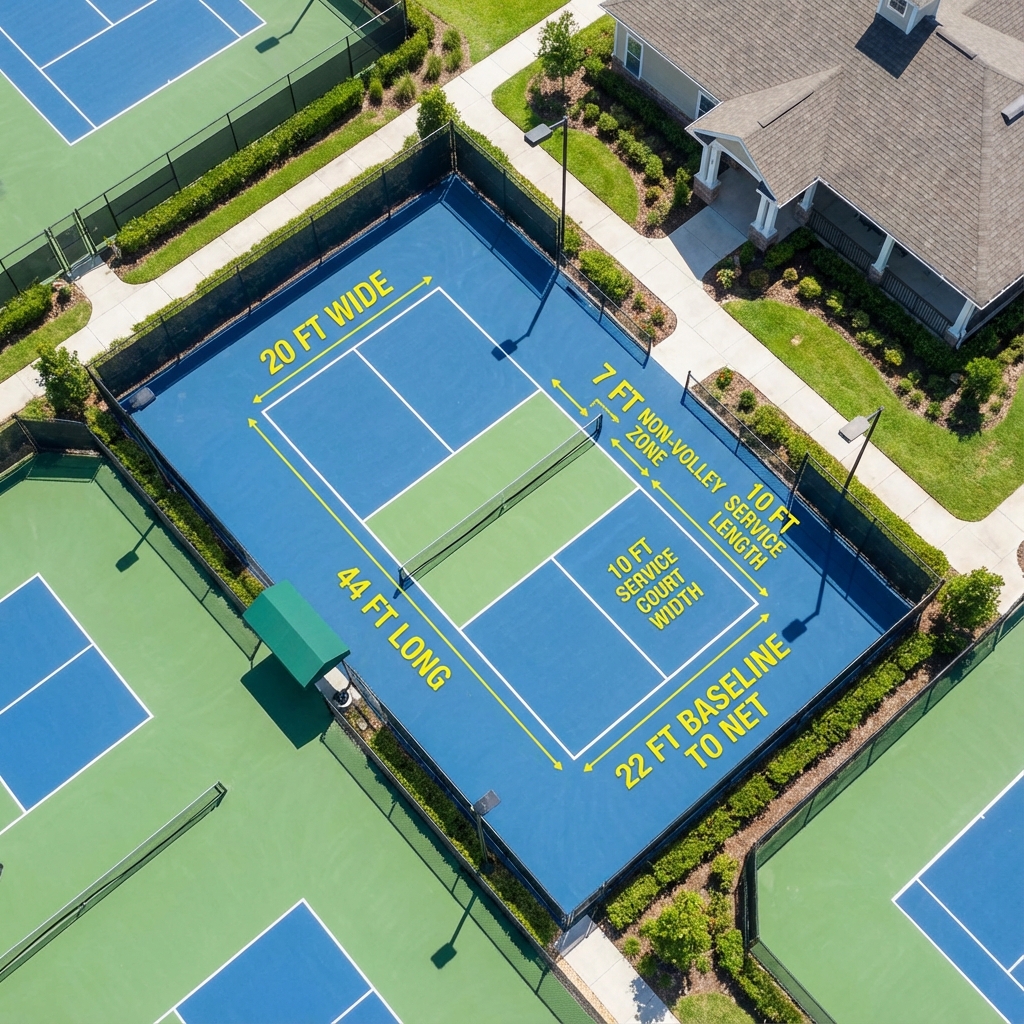
The Basics: How Big Is a Pickleball Court?
A pickleball court is exactly 20 feet wide by 44 feet long. That's roughly the size of a doubles badminton court—and much smaller than a tennis court (which is 36 x 78 feet).
This compact size is part of what makes pickleball so accessible. Less ground to cover means more rallies, more fun, and easier play for all ages.
The Complete Measurement Breakdown
| Zone | Dimensions |
|---|---|
| Total Court | 20 ft × 44 ft |
| Non-Volley Zone (Kitchen) | 20 ft × 7 ft (each side) |
| Service Court | 10 ft × 15 ft (each box) |
| Baseline to Kitchen | 22 ft |
| Net Height (Center) | 34 inches |
| Net Height (Sidelines) | 36 inches |
The Non-Volley Zone (The Kitchen)
The "kitchen" is the most unique feature of pickleball. Key facts:
- 7 feet deep from the net on each side
- 20 feet wide (the full width of the court)
- You cannot volley (hit the ball out of the air) while standing in this zone
- You can enter the kitchen to play a ball that has bounced
Service Courts
The area behind the kitchen is divided into two service courts:
- Each service court is 10 ft × 15 ft
- The centerline divides left and right service boxes
- Serves must land in the diagonal service court
- The baseline is the back boundary
Serving Rules to Remember
- 1Serves must be underhand
- 2Contact below the waist
- 3Paddle head below wrist at contact
- 4Ball must land beyond the kitchen line
Net Specifications
The net has specific requirements:
- Width: 22 feet (extends 1 foot beyond sidelines)
- Height at center: 34 inches
- Height at sidelines: 36 inches
- Mesh: Small enough that ball cannot pass through
Building Your Own Court?
If you're setting up a court at home, here's what you need:
Minimum Space Required
- Playing area: 20 ft × 44 ft
- Recommended buffer: 30 ft × 60 ft (allows room to run)
- Surface: Concrete, asphalt, or sport court tiles
Line Marking
- Use 2-inch wide lines
- Lines should contrast with the surface color
- All lines are "in" (part of the playing area)
Check Your Surface
- Level and smooth
- Proper drainage
- Non-slippery when wet (for outdoor courts)
Tennis Court Conversion
A tennis court can fit 4 pickleball courts if lined properly. Here's how they compare:
| Feature | Tennis | Pickleball |
|---|---|---|
| Width | 36 ft (doubles) | 20 ft |
| Length | 78 ft | 44 ft |
| Net Height | 36" at posts | 34" at center |
| Non-Volley Zone | None | 7 ft from net |
Many parks and recreation centers now paint pickleball lines on existing tennis courts with a different color—usually blue or yellow—so both sports can share the space.
Quick Reference Card
Memorize these numbers:
- Court: 20 × 44
- Kitchen: 7 feet deep
- Net: 34" center, 36" sides
- Service box: 10 × 15
Now you know the court better than most players who've been playing for years. Use this knowledge to position yourself smartly and understand why certain shots work!
🏓 Ready to Start Playing?
Find courts, connect with players, and track your progress with DinkAI – the #1 pickleball app.
Related Topics
Coach Mike Chen
The DinkAI team is dedicated to helping pickleball players of all levels improve their game, find courts, and connect with the community.
Related Articles
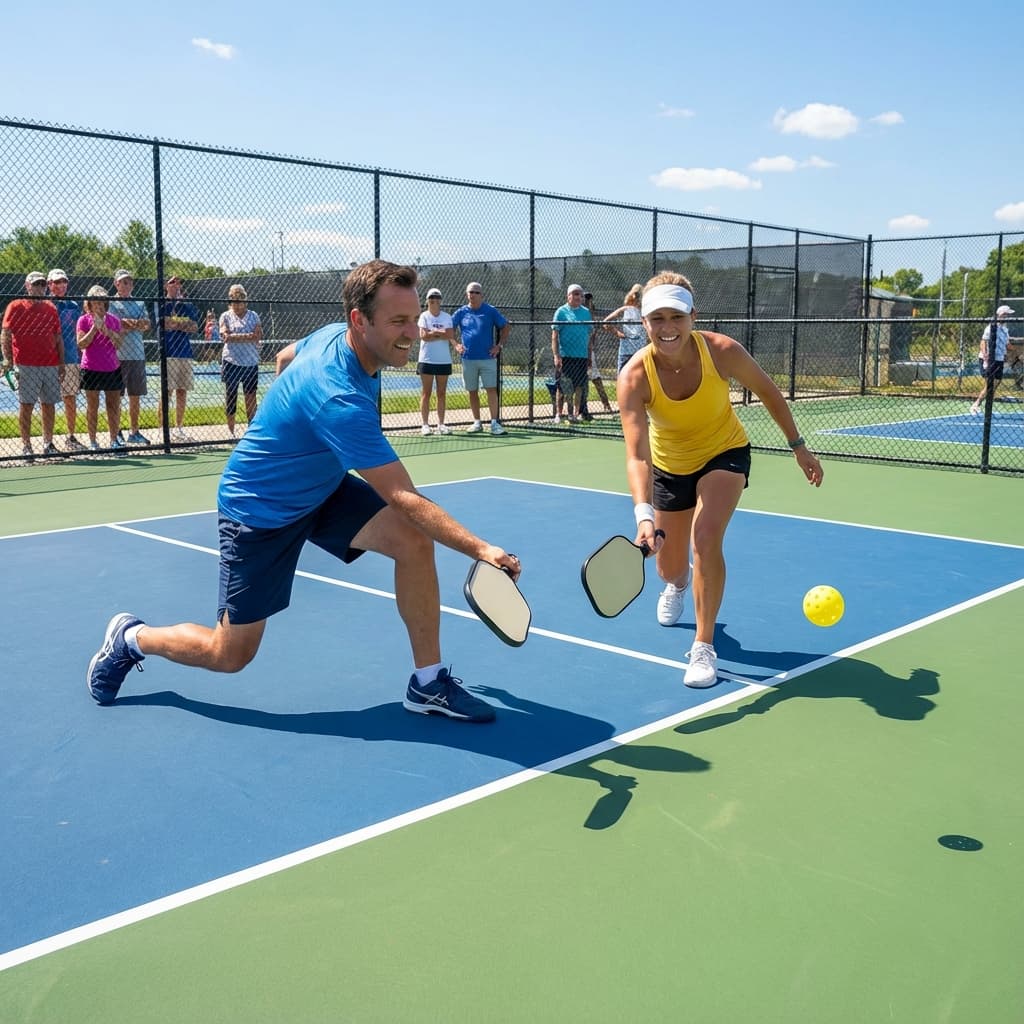
What is Pickleball? The Definitive Beginner's Guide (2026)
The comprehensive guide to the world's fastest-growing sport. History, rules, costs, culture, and exactly how to get started today.
Read →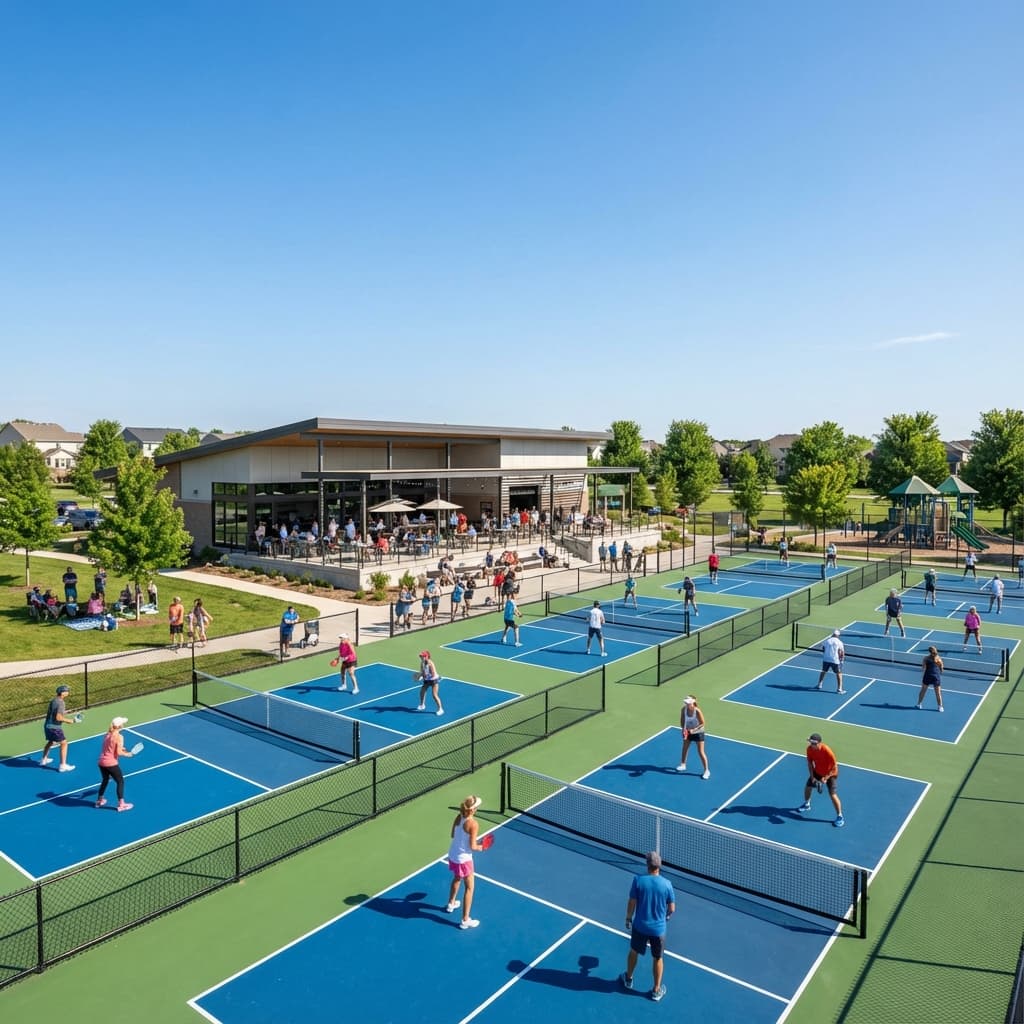
How to Find the Best Pickleball Courts Near You (2026 Guide)
Not all courts are created equal. Here is how to find, evaluate, and join local courts. Plus, the difference between "Open Play" and "Closed Groups".
Read →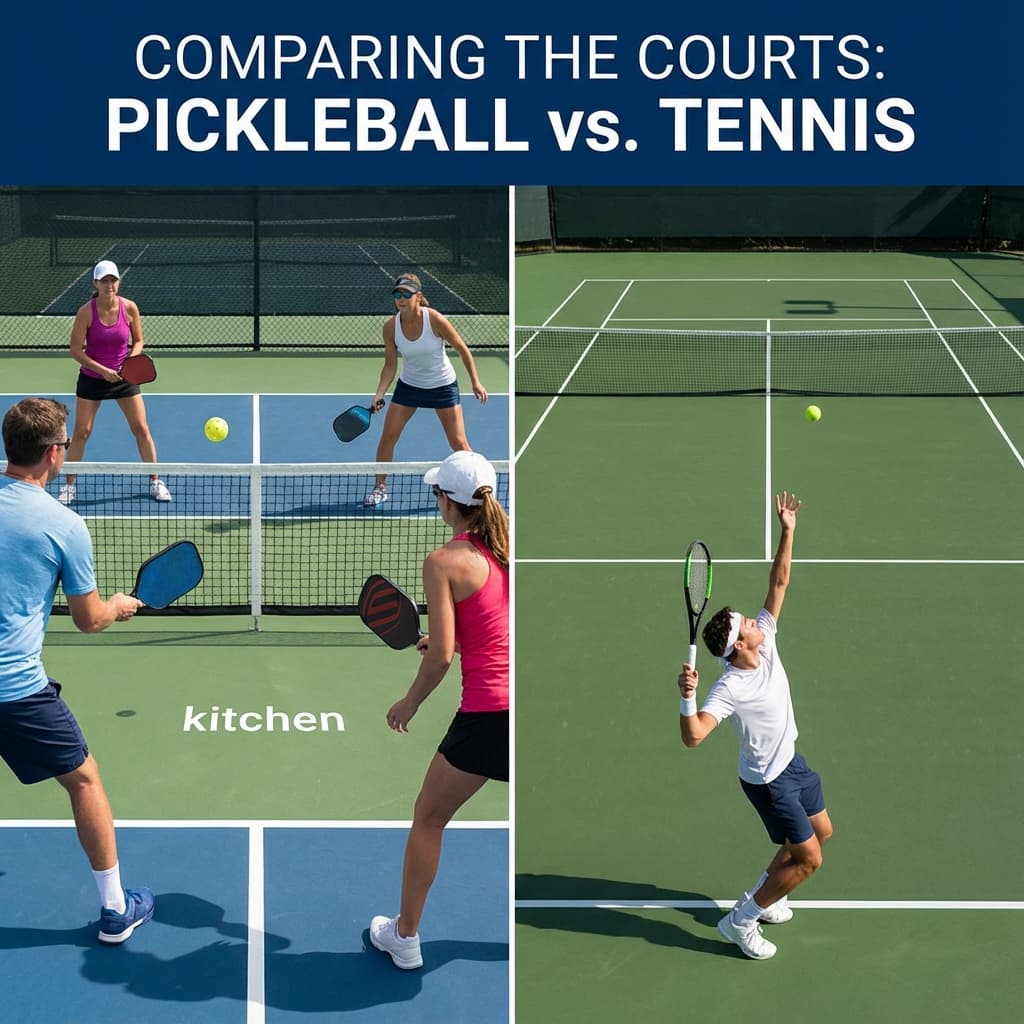
Pickleball vs. Tennis: A Data-Driven Comparison (2026)
It is the rivalry of the decade. We break down the differences in biomechanics, strategy, cost, and injury risk. Which one is right for you?
Read →